
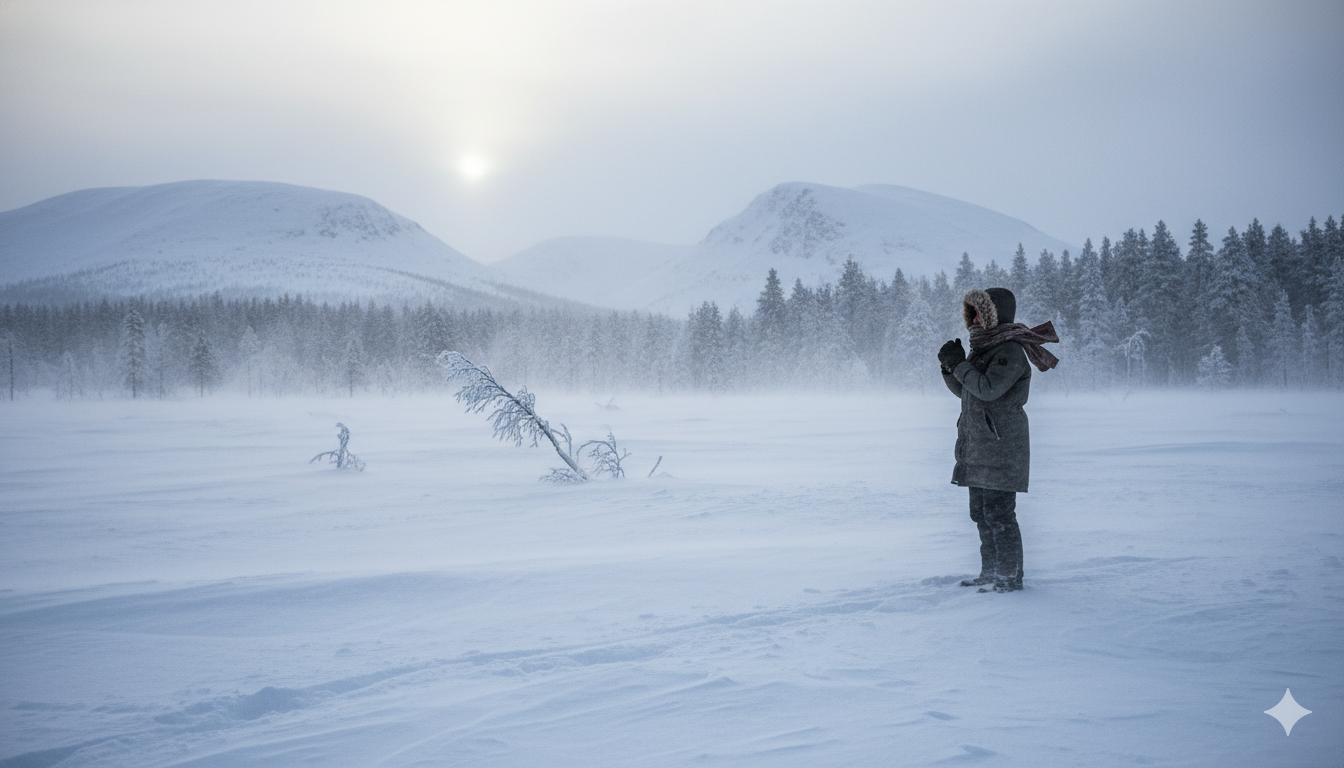
Have you ever stepped outside and felt a sudden, icy shiver run down your spine? Sometimes, that crisp breeze has traveled a very long way to greet you. In northern Europe, people often talk about a unique weather pattern: the Wind Blowing from Finland. When this arctic air moves across neighboring lands, it changes everything from the daily temperature to the way people plan their afternoons.
Finland is known as a beautiful country filled with thousands of clean lakes and deep green forests. However, because it sits so close to the chilly Arctic Circle, it acts like a giant natural refrigerator. When the air pressure shifts, a strong wind blowing from Finland begins to travel southward and westward. This moving air brings a special blend of refreshing cold and bright, clear skies to anyone standing in its path. Let’s explore how this amazing northern breeze works and why it matters to our daily weather.
How the Wind Blowing from Finland Starts
To understand where a wind blowing from Finland comes from, we have to look closely at the map. Finland sits right between Sweden to the west and Russia to the east. High up above the country is the freezing Arctic Ocean. During the chilly winter months, the sun barely shines in the far north. This lack of sunlight makes the air over the snowy ground grow incredibly cold and heavy.
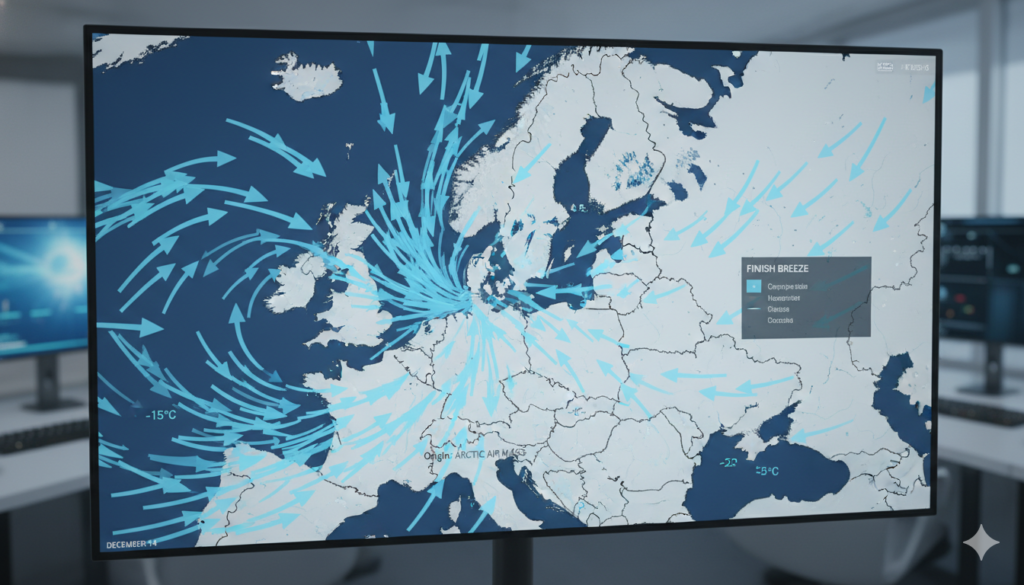
When a heavy block of cold air builds up, it creates what meteorologists call a high-pressure system. Nature loves balance, so this heavy air wants to move toward areas where the air is lighter and warmer. As the heavy air spills outward, it creates a steady, cool breeze. This movement is exactly how the wind blowing from Finland is born. It is a natural process where the cold north shares its icy breath with the rest of the European continent.
The Famous Foehn Effect Explined Simply
One of the most fascinating things about the wind blowing from Finland is how it changes when it hits high mountains. When this northern air blows west toward Sweden or Norway, it runs directly into the tall Scandinavian Mountains. As the moist air gets pushed up the mountainside, it cools down and drops its moisture as fluffy snow or rain.
Once the air passes over the very top of the mountain peaks, something magical happens. The air is now completely dry, and as it rushes down the other side of the mountain, it gets compressed. This squeezing action actually heats the air up rapidly! Weather experts call this the Foehn effect. Thanks to this phenomenon, a cold wind blowing from Finland can actually turn into a warm, dry breeze by the time it reaches the valleys on the other side of the mountains.
Summary of Weather Impacts from Finnish Winds
To help you see how these weather patterns change, we have put together a detailed summary table. It shows exactly what happens to the environment when the air starts moving from the north.
| Weather Feature | Before the Wind Blows | During the Wind Blowing from Finland |
| Air Temperature | Mild or humid | Drops quickly, bringing a crisp chill |
| Sky Conditions | Cloudy or overcast | Clears up to reveal bright, blue skies |
| Humidity Levels | Damp and sticky | Lowers significantly, making air feel dry |
| Wind Speed | Gentle and calm | Moderate breezes, occasionally gusty near coasts |
| Main Weather Impact | High chance of gray rain | Brings frosty mornings or refreshing sunny days |
How Northern Winds Shape the Seasons
The wind blowing from Finland does not always feel the same. It changes drastically depending on the time of year. In the deep winter, this wind is a serious matter. It can drop temperatures far below freezing in just a few short hours. This freezing air forces people to bundle up in heavy winter coats, thick wool scarves, and insulated boots just to step outside.
In contrast, during the short summer months, a wind blowing from Finland can be a wonderful blessing. Summer days in Europe can sometimes get uncomfortably hot and sticky. When a gentle northern breeze rolls in, it sweeps away the heavy humidity. It replaces the mugginess with cool, clean air that makes it perfect for a family picnic or a bicycle ride through the park.
The Secret Link Between Pressure and Wind
Have you ever wondered why the air moves so fast on some days and stays perfectly still on others? It all comes down to an invisible game of tug-of-war in the sky. The wind blowing from Finland relies entirely on differences in atmospheric pressure. Think of it like squeezing a plastic bottle filled with air; when you squeeze one end, the air rushes out toward the open space.
When a powerful low-pressure storm system sits over the Baltic Sea, it acts like an open space. It greedily pulls in the heavy, cold air sitting over the Finnish forests. The greater the difference between the high pressure in the north and the low pressure in the south, the faster the wind blowing from Finland will travel. This simple scientific rule is the secret engine behind every gust of wind you feel.
How Local Animals Handle the Chilly Breeze
The wildlife living in and around northern Europe is incredibly tough. Creatures like reindeer, arctic foxes, and majestic moose have spent thousands of years adapting to the cold. When a freezing wind blowing from Finland starts howling through the pine trees, these animals do not panic. They have brilliant natural tools to keep themselves perfectly warm.
“Nature provides northern animals with a thick, double-layered coat of fur that traps warm air close to their skin, acting just like a high-tech winter jacket.”
Smaller birds will puff up their feathers to stay warm, while larger mammals will look for shelter inside dense valleys. The predictable arrival of the wind blowing from Finland tells these smart animals exactly when it is time to seek cover or prepare for a long winter sleep.
Why Sailors and Pilots Watch the Finnish Skies
Regular people notice the wind when it blows their hats off, but for sailors and pilots, tracking the air is a vital part of their jobs. The Baltic Sea is a busy highway for giant cargo ships and passenger ferries. When a strong wind blowing from Finland pushes south, it can create choppy, dangerous waves across the open water.
Pilots flying airplanes across northern Europe also keep a close eye on these wind currents. Strong breezes can cause turbulence, which makes a flight feel bumpy. By understanding exactly how the wind blowing from Finland behaves, captains and pilots can safely adjust their routes. This careful planning ensures that passengers and goods arrive at their destinations without any dangerous surprises.
Fun Facts About Finland’s Unique Climate
Finland is a land of extreme contrasts, and its climate is full of surprises. Did you know that northern Finland experiences a time called the “Polar Night”? During this period in the winter, the sun does not rise at all for several weeks! Without solar warmth, the ground chills rapidly, fueling the icy wind blowing from Finland that travels across the sea.
On the flip side, the summer brings the “Midnight Sun,” where the sun stays up in the sky for over two months straight! This constant daylight helps warm the southern parts of the country. It creates a beautiful balance, turning the harsh wind blowing from Finland into a mild, comforting breeze that locals look forward to all year long.
Staying Cozy When the Cold Air Arrives
When the weather forecaster warns that a wind blowing from Finland is on its way, it is time to prepare your home. The key to staying comfortable during a sudden temperature drop is choosing the right clothing. Wearing multiple thin layers of clothes is actually much warmer than wearing one single heavy sweater. Layers trap your body heat efficiently.
It is also a great idea to check your windows and doors for tiny gaps where the cold air might leak inside. Blocking these small drafts keeps your living room cozy and lowers your heating bills. Once your home is sealed tight against the wind blowing from Finland, you can sit back with a warm mug of hot cocoa and enjoy the bright, sunny day outside.
Conclusion: Appreciating the Power of Northern Air
The wind blowing from Finland is much more than just a simple weather report. It is a powerful reminder of how connected our planet truly is. A cold pocket of air created over a quiet, snowy forest in Lapland can travel hundreds of miles to change the afternoon weather in a completely different country.
Whether it is bringing a freezing winter chill or a crisp, refreshing break from summer heat, this northern breeze shapes the daily lives of millions of people. The next time you step outdoors and feel a sudden, clean gust of cool air, take a deep breath. You might just be feeling the refreshing touch of a wind blowing from Finland making its way across the world.
Frequently Asked Questions
What causes the wind blowing from Finland?
This wind is caused by heavy, cold high-pressure air sitting over the cold arctic regions of Finland. When lower pressure forms to the south or west, this dense, cold air rushes outward to fill the gap, creating a distinct northern breeze.
Does the wind blowing from Finland bring rain?
Usually, this wind brings clear and dry conditions rather than rain. Because the air originates from cold, frozen areas, it holds very little moisture, which often results in bright blue skies and crisp, sunny days.
What is the Foehn effect related to this wind?
The Foehn effect happens when the cold wind hits the Scandinavian Mountains. The air loses its moisture on one side, then warms up rapidly as it rushes down the other side, turning a cold breeze into a surprisingly warm, dry wind.
Is the wind blowing from Finland stronger in winter or summer?
The wind is typically much stronger and colder during the winter months. This is because the lack of winter sunlight creates a massive contrast between the freezing northern air and the milder air found in the south.
How should I dress for a wind blowing from Finland?
The best strategy is to dress in warm layers. Wearing a windproof outer jacket along with a cozy hat and scarf will protect you from the chilly bite of the northern breeze and keep your body heat trapped safely inside.
How does this wind affect ships on the Baltic Sea?
Strong northern winds can push against the water, creating large, choppy waves on the Baltic Sea. Captains must monitor these wind speeds closely to ensure smooth sailing and safe travels for cargo and passengers.