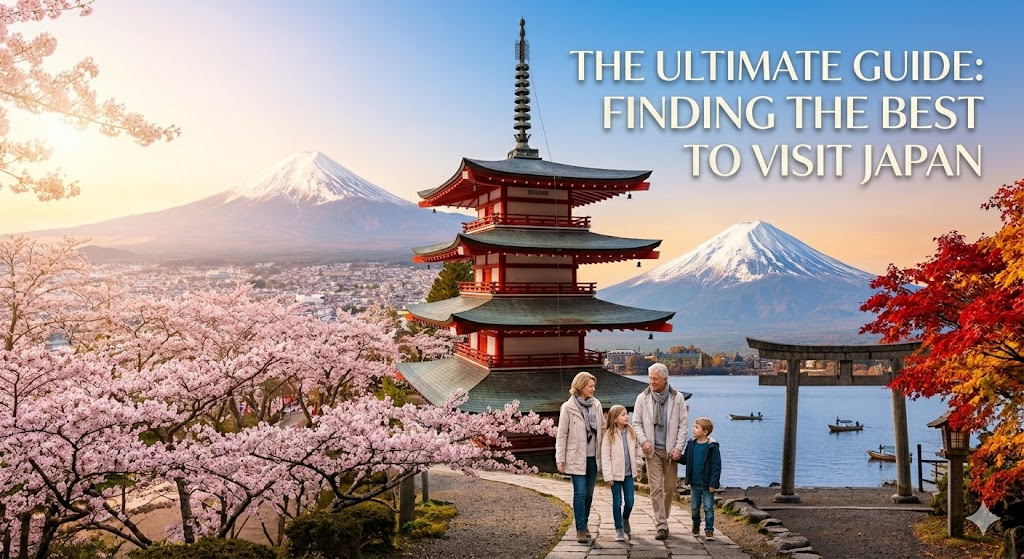
Are you dreaming of a trip to Japan? Choosing the Best Time to Visit Japan can feel a bit tricky. Japan is beautiful all year round. However, each season offers a totally different experience for travelers. Whether you want to see soft pink cherry blossoms or bright autumn leaves, timing is everything. Planning your trip well makes all the difference for a fun, stress-free adventure.
In this guide, I will share my top tips to help you decide when to go. We will look at the weather, the crowds, and the special festivals that make Japan so unique. Let’s dive into the details so you can plan the perfect getaway!
Spring: The Season of Cherry Blossoms
Spring is arguably the best time to visit Japan for most people. From March to May, the weather is mild and pleasant. The star of the show is the sakura, or cherry blossoms. Watching these pink flowers bloom is a magical experience. However, keep in mind that this is a very busy season. Popular parks and temples will be crowded with both locals and tourists. If you love nature and photography, spring is definitely the right choice for your visit.
Summer: Festivals and Mountain Adventures
Summer in Japan (June to August) is hot and humid. For many, it might not be the best time to visit Japan due to the heavy heat. But, it is the best season for outdoor lovers! If you enjoy hiking or visiting national parks, the Japanese Alps are perfect during these months. You can also experience lively summer festivals, known as matsuri, with fireworks and street food. Just remember to pack light clothes and stay hydrated.
Autumn: Colorful Leaves and Cool Breezes
Many travelers think autumn (September to November) is the true best time to visit Japan. The weather is cool, dry, and very comfortable for walking around cities. The autumn leaves, or koyo, paint the landscape in stunning shades of red and gold. Kyoto’s temples look especially beautiful with the colorful foliage in the background. It is a fantastic time for sightseeing without the intense heat of summer.
Winter: Snowy Landscapes and Fewer Crowds
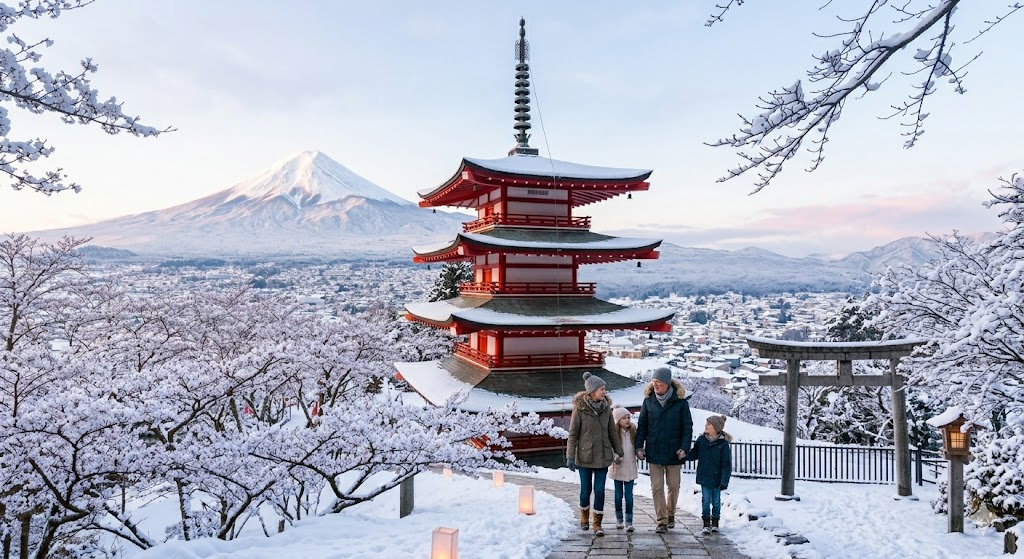
Winter (December to February) is the quietest season. If you dislike large crowds, this could be the best time to visit Japan for you. Northern Japan, like Hokkaido, becomes a winter wonderland with world-class skiing. In the cities, you can enjoy relaxing in onsen (hot springs) while it snows outside. Plus, hotel prices are often lower, making it a great time for budget-conscious travelers.
Understanding Japan’s Climate
Japan stretches far from north to south, so the climate varies a lot. The best time to visit Japan often depends on which island you choose. For example, Okinawa in the south stays warm even in winter. Meanwhile, Sapporo in the north gets heavy snow. Always check the local weather for your specific destination to stay prepared.
Avoiding the Crowds: Golden Week
If you are planning a trip, be aware of “Golden Week.” This is a string of national holidays from late April to early May. During this time, the best time to visit Japan might actually be avoided if you dislike heavy traffic. Trains, hotels, and tourist spots are packed with domestic travelers. If you must travel then, book your tickets and hotels several months in advance.
Budgeting for Your Trip
The best time to visit Japan on a budget is usually winter or late autumn. Prices for flights and hotels drop when demand is lower. Spring and autumn are peak seasons, so you will pay more for your stay. Planning ahead helps you save money regardless of when you decide to go.
Foodie Adventures by Season
Did you know your food experience changes with the seasons? In spring, you can enjoy sakura-flavored snacks. Summer brings refreshing chilled noodles. Autumn offers chestnuts and sweet potatoes, while winter is perfect for hot, comforting ramen. Part of finding the best time to visit Japan is deciding which seasonal dishes you want to try most!
Cultural Experiences to Look For
Japan is famous for its rich history and culture. Each month hosts unique events. From the Sapporo Snow Festival in February to the Gion Matsuri in July, there is always something happening. Researching the local calendar will help you pick the best time to visit Japan for your interests.
Essential Travel Tips for First-Timers
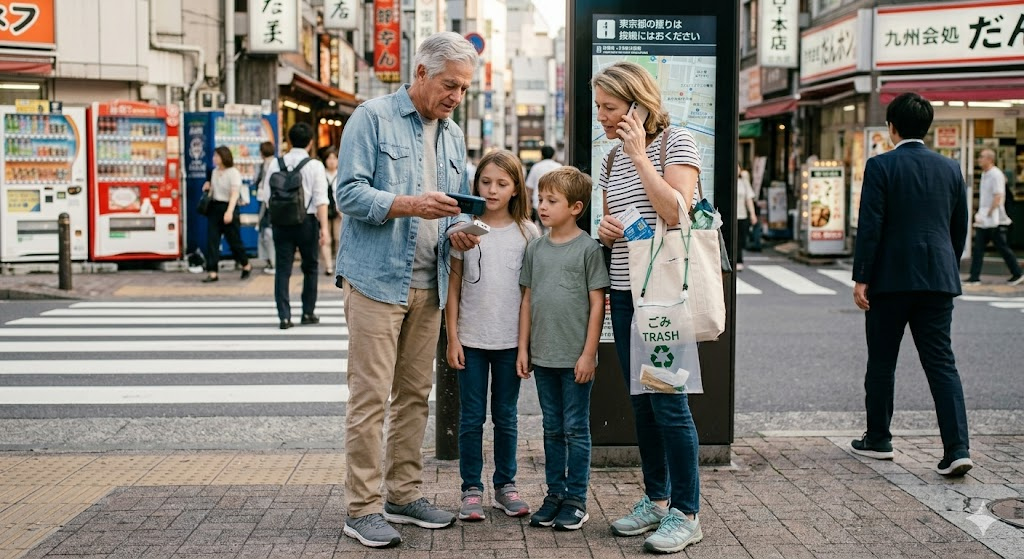
No matter the season, Japan is very welcoming. Pack comfortable walking shoes, as you will likely explore a lot on foot. A pocket Wi-Fi device or a local SIM card is also very helpful for navigation. Finally, always carry a small bag for your trash, as public bins can be hard to find. These small habits make your trip much smoother.
Quick Comparison Table
| Season | Best For | Weather | Crowd Level |
| Spring | Cherry Blossoms | Mild & Pleasant | Very High |
| Summer | Festivals/Hiking | Hot & Humid | Moderate |
| Autumn | Red Foliage | Cool & Crisp | High |
| Winter | Skiing/Budget | Cold & Dry | Low |
Frequently Asked Questions
1. What is the absolute best time to visit Japan? Most travelers love spring (March–May) and autumn (September–November) for the most comfortable weather.
JAL
2. Is it expensive to visit during cherry blossom season? Yes, prices for flights and accommodation are significantly higher during the spring peak.
Boutique Japan
3. Does it rain a lot in Japan? Yes, there is a rainy season, known as tsuyu, that usually occurs from early June to mid-July.
Japan Experience
4. Can I see snow in Tokyo? It snows occasionally in Tokyo, but for reliable snow, head north to places like Hokkaido or Nagano.
5. Is Japan safe for solo travelers? Japan is considered one of the safest countries in the world for solo travelers at any time of year.
Tabimawari
6. Do I need to book in advance? Yes, especially for travel during Golden Week or the cherry blossom season, booking months ahead is essential.
Boutique Japan
Conclusion
Finding the best time to visit Japan really depends on what you want to experience. Whether you chase the blossoms, the snow, or the autumn colors, Japan is always a rewarding destination. Now that you know the differences between the seasons, it is time to start planning your adventure! Have you decided which season fits your travel style best? Let me know in the comments below!