
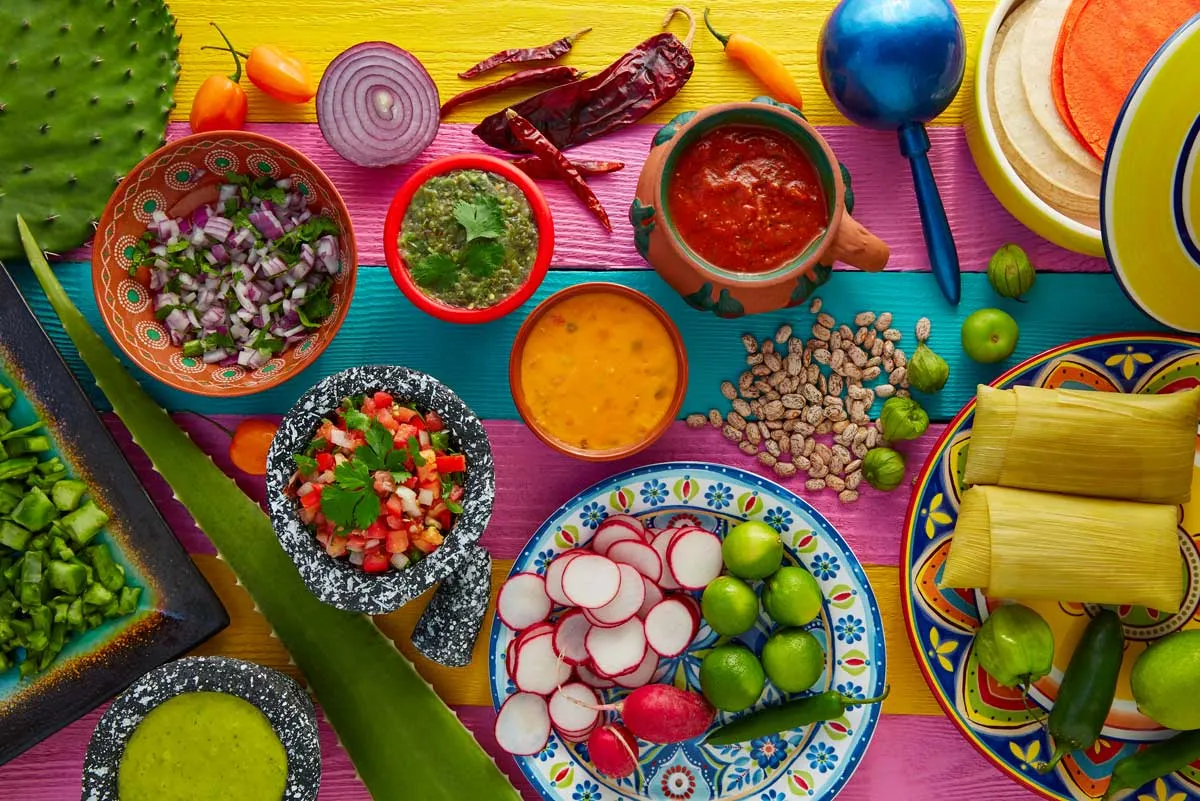
Mexico is a beautiful country filled with colorful traditions, tasty food, historic places, and friendly communities. It offers something special for almost every traveler. You can explore sunny beaches, walk through ancient ruins, or enjoy busy city streets. The country also has a rich history that connects ancient civilizations with modern life. From traditional markets to modern shopping centers, every region offers a different experience. Visitors can discover local art, music, nature, and exciting festivals throughout the year. Mexico is also famous for its delicious dishes, including tacos, tamales, and fresh guacamole. Whether you enjoy outdoor adventures or peaceful cultural trips, this destination has plenty to offer. This guide explores its geography, history, lifestyle, food, attractions, and travel advice. It will help you understand what makes this country an interesting place to discover.
Where Is Mexico Located?
Mexico is located in the southern part of North America. It shares its northern border with the United States. Guatemala and Belize lie along its southeastern border. The Pacific Ocean lies to the west and south. The Gulf of Mexico and the Caribbean Sea border its eastern side. This location gives the country many different landscapes and climates.
The country’s geography includes mountains, deserts, forests, beaches, and green valleys. Some areas have warm weather throughout much of the year. Other regions experience cooler temperatures because of their higher elevations. These differences create many opportunities for travel and outdoor activities. Visitors can enjoy coastal towns, mountain villages, and large cities during one trip. Its location also supports strong cultural and trade connections with nearby countries.
A Brief History of Mexico
Mexico has a long history that began thousands of years ago. Ancient civilizations developed impressive cities, farming systems, art, and trading networks. The Maya and Aztec civilizations are among the best-known examples. Their achievements included advanced calendars, detailed architecture, and important cultural traditions. Many archaeological sites still help visitors understand their lives and beliefs.
Spanish forces arrived in the early sixteenth century. Spanish rule then changed the region’s language, religion, government, and social structure. Mexico began its independence movement in 1810 and gained independence in 1821. Later events shaped its modern borders and national identity. Today, historic buildings, museums, and archaeological sites preserve important parts of this story. Learning about the past makes a visit more meaningful. It also helps explain the country’s diverse customs, languages, and regional identities.
Mexico’s Culture and Traditions
Mexican culture brings together Indigenous roots, Spanish influences, and many local traditions. Family relationships often play an important role in everyday life. People may gather for birthdays, weddings, religious celebrations, and community events. Music, dancing, handmade crafts, and traditional clothing also help communities express their identity.
One famous celebration is Día de los Muertos, or Day of the Dead. Families honor loved ones through photographs, flowers, candles, and special offerings. The celebration is a time for remembrance and connection. Other events include Independence Day celebrations and regional festivals. Each community may have its own foods, dances, and customs. Visitors should respect local traditions and ask before photographing private ceremonies. Taking time to learn about these practices can make travel more rewarding. It also helps visitors appreciate the meaning behind colorful decorations and public celebrations.
Famous Mexican Food and Drinks
Mexican food is famous for its bold flavors, fresh ingredients, and regional variety. Corn, beans, tomatoes, chilies, and avocados appear in many traditional dishes. Tacos are especially popular because they can contain different meats, vegetables, sauces, and fillings. Tamales use corn dough wrapped in leaves and cooked until tender. Enchiladas, pozole, and quesadillas are other dishes worth trying.
Each region has its own cooking style. Coastal areas often serve fresh seafood, while other regions are known for rich sauces and slow-cooked meats. Guacamole combines avocado with ingredients such as lime, onion, and cilantro. Popular drinks include aguas frescas, horchata, and traditional hot chocolate. Travelers should check ingredients when managing food allergies. They should also choose clean food stalls and drink safe water. Exploring local markets is a great way to discover authentic flavors.
Best Places to Visit in Mexico
There are many wonderful destinations to explore across the country. Mexico City attracts visitors with its museums, historic center, parks, and food markets. Cancún is known for its bright beaches and access to Caribbean waters. Chichén Itzá offers a closer look at ancient Maya architecture and history.
Guanajuato is famous for colorful streets, hillside views, and historic buildings. Oaxaca attracts travelers interested in traditional food, crafts, and local celebrations. Puerto Vallarta combines beach activities with a lively town atmosphere. Each destination offers a different experience. Your best choice depends on your budget, interests, and available time. Beach lovers may prefer coastal towns, while history fans might enjoy archaeological sites. Planning several destinations can provide a fuller picture of the country’s natural beauty and cultural diversity.
Mexico City: The Heart of the Country
Mexico City is the country’s capital and one of its most exciting urban destinations. It combines historic landmarks, modern buildings, busy markets, and large public parks. The Zócalo, or main central square, is an important place to begin exploring. Nearby attractions include the Metropolitan Cathedral and the National Palace’s historic surroundings.
The city also offers world-class museums, art galleries, and traditional neighborhoods. Chapultepec Park provides green space for walking, relaxing, and visiting museums. Food lovers can sample street snacks, traditional meals, and modern restaurant dishes. Public transportation helps visitors move around many parts of the city. However, traffic can be heavy during busy hours. Travelers should allow extra time between attractions. Comfortable shoes are useful because many neighborhoods are best explored on foot. The city’s high elevation may also affect some visitors during their first few days.
Natural Beauty and Outdoor Adventures
Nature lovers can find many beautiful places throughout Mexico. The country has deserts, tropical forests, deep canyons, volcanic mountains, and clear-water lagoons. Copper Canyon offers impressive views and hiking opportunities. Bacalar is famous for its blue lagoon and peaceful surroundings. Sumidero Canyon features steep cliffs rising above a winding river.
Cenotes are natural water-filled openings found in parts of the Yucatán Peninsula. Some are open to the sky, while others sit inside caves. Visitors can swim in approved areas and learn about their natural importance. Outdoor activities include hiking, snorkeling, kayaking, and wildlife watching. Weather and trail conditions can change quickly in some regions. Always follow local safety guidance and respect protected areas. Avoid leaving rubbish behind. Responsible travel helps protect these natural places for future visitors and nearby communities.
Mexican Festivals and Celebrations
Festivals offer a wonderful way to experience local culture. Día de los Muertos is celebrated around November 1 and 2. Families create colorful displays and remember relatives who have passed away. In many towns, flowers, music, food, and community gatherings mark the occasion.
Independence Day celebrations take place around September 15 and 16. Public squares often host music, decorations, and gatherings. Carnival celebrations also occur in several regions before Lent. Some towns hold special festivals connected to local saints, harvests, or historic events. These celebrations can differ greatly from one place to another. Travelers should check local dates before planning their visits. Accommodation may become more expensive during popular events. Respectful participation helps visitors enjoy these occasions without disturbing local customs. A local guide can explain traditions that might otherwise be unfamiliar.
Language and Everyday Life
Spanish is the most widely spoken language in Mexico. However, many Indigenous languages remain important in different communities. These include Nahuatl, Maya languages, Mixtec, and Zapotec. Language use can vary by region, town, and family. Learning a few Spanish phrases can make daily interactions easier.
Simple words such as hola for hello and gracias for thank you are useful starting points. People in major tourist areas may speak some English, but this is not guaranteed. Outside popular destinations, Spanish is often more helpful. Everyday life differs between large cities, rural communities, and coastal towns. Markets, cafés, parks, and neighborhood shops provide glimpses into local routines. Visitors should remain polite when asking questions or requesting directions. Showing interest in local customs can create friendly connections and make travel more enjoyable.
Shopping, Markets, and Local Crafts
Shopping in Mexico can be a cultural experience as well as a practical activity. Traditional markets sell fresh food, clothing, household goods, and handmade products. Depending on the region, visitors may find woven textiles, pottery, leather goods, silver jewelry, and colorful decorations.
Oaxaca is known for crafts and textiles, while other towns have their own specialties. Local artisans often use techniques passed down through generations. Buying directly from makers can support small businesses and help preserve traditional skills. Ask about an item’s origin when authenticity matters. Prices can vary between markets and shops, so compare options before buying. Friendly bargaining may be accepted in some markets, but it is not appropriate everywhere. Always negotiate respectfully. Travelers should also check airline rules and customs requirements before carrying certain goods across borders.
Travel Tips for First-Time Visitors
Good planning can make a trip smoother and more enjoyable. First, choose destinations that match your available time. The country is large, so traveling between distant regions may take longer than expected. Check transport options before booking accommodation. Domestic flights, buses, taxis, and local transit serve different travel needs.
Keep copies of important travel documents in a secure place. Use trusted transport providers and watch your belongings in crowded areas. Drink safe water and follow local advice about food safety. Weather also matters because coastal regions, mountains, and inland cities have different conditions. Travel insurance may help with unexpected expenses, depending on its coverage. Check current entry rules with the appropriate authorities before departure. It is also wise to keep emergency contacts available. A flexible itinerary allows time for delays, rest, and unexpected discoveries.
Best Time to Visit Mexico
The best time to visit depends on your destination and preferred activities. Many coastal areas experience warm weather for much of the year. Higher mountain regions can be cooler, especially during winter nights. Inland cities may have distinct wet and dry seasons.
The dry season often makes sightseeing easier in many regions. However, popular destinations can become crowded during school holidays and major festivals. Coastal areas may experience tropical storms during parts of the year. Weather patterns vary, so check a destination-specific forecast before traveling. Beach visitors should also pay attention to sea conditions and local swimming warnings. Booking accommodation early can help during busy travel periods. If you prefer quieter attractions, consider traveling outside major holiday dates. Flexible plans make it easier to adjust activities when conditions change.
Economy, Business, and Modern Lifestyle
Mexico has a diverse economy that includes manufacturing, agriculture, tourism, technology, and services. It produces goods such as vehicles, electronics, food products, and medical equipment. Its location supports trade with North America and other international markets. Tourism also provides jobs in hotels, restaurants, transport, and cultural attractions.
Modern cities contain shopping centers, office buildings, universities, and growing business districts. At the same time, smaller towns may depend more on farming, crafts, or local trade. Economic opportunities and living conditions vary widely across regions. Traditional practices continue alongside modern lifestyles. This mix gives the country a distinctive character. Visitors can see these differences through local markets, public transport, neighborhood businesses, and regional food. Understanding these contrasts provides a broader view beyond famous tourist attractions.
Why Mexico Is Worth Exploring
Mexico offers much more than beaches and popular holiday resorts. Its ancient history, regional traditions, natural wonders, and varied food create many reasons to explore. Every destination has its own character, from busy city neighborhoods to quiet coastal villages. Visitors can learn about traditional crafts, discover historic buildings, and enjoy outdoor adventures.
The country also suits different travel styles. Families may enjoy cultural attractions and relaxed beach stays. Solo travelers can explore museums, food markets, and organized tours. Nature lovers can choose hiking trails, lagoons, and wildlife experiences. A thoughtful itinerary helps visitors balance activities with time to relax. Respecting local communities and protecting natural spaces also improves the experience. With preparation and curiosity, travelers can discover memorable places and gain a deeper appreciation of the country’s many cultures.
Conclusion
Mexico is a fascinating destination with a rich history, colorful traditions, delicious food, and beautiful natural landscapes. From Mexico City’s historic streets to the beaches of Cancún, every region offers something different. Its museums, markets, festivals, and archaeological sites help visitors understand its past and present. Outdoor adventures provide even more ways to explore.
Before planning your trip, consider your budget, interests, travel dates, and preferred destinations. Learn a few Spanish phrases and research local customs. Check weather conditions and transportation options before setting out. Most importantly, travel with an open mind and respect the communities you visit. Have you explored this destination or added it to your travel wish list? Share your favorite places or future travel plans in the comments.
Frequently Asked Questions (FAQs)
Q1. Where is Mexico located?
Mexico is in North America. It borders the United States, Guatemala, and Belize. The Pacific Ocean, Gulf of Mexico, and Caribbean Sea surround parts of its coastline.
Q2. What is Mexico famous for?
Mexico is famous for its traditional food, ancient ruins, colorful festivals, beautiful beaches, historic cities, and handmade crafts. Its regional cultures also attract visitors from around the world.
Q3. What is the best time to visit Mexico?
The best time depends on your destination and activities. Many travelers prefer drier months for sightseeing, but weather conditions differ across the country.
Q4. What foods should visitors try in Mexico?
Popular dishes include tacos, tamales, enchiladas, pozole, quesadillas, and guacamole. Regional specialties offer many more flavors and ingredients to discover.
Q5. Do travelers need to speak Spanish in Mexico?
Spanish is the main language and is useful in daily situations. English is spoken in some tourist areas, but learning basic Spanish phrases can make traveling easier.
Q6. Is Mexico suitable for family travel?
Yes, many destinations offer family-friendly beaches, museums, cultural attractions, nature activities, and guided tours. Families should research local transport, accommodation, and safety advice before traveling.