
The supermarket chain closure trend across the UK has become a major talking point in the retail industry, reflecting deep structural changes in how people shop and how businesses operate. Rising costs, shifting consumer habits, and economic uncertainty have all contributed to growing concerns about long-term store viability. As discussions intensify, the supermarket chain closure issue is no longer rare but increasingly common across national headlines.
In recent months, the supermarket chain closure debate has expanded further as reports suggest that hundreds of stores could be at risk of downsizing or shutdown. While not every announcement leads to immediate closures, the overall direction of the industry signals significant change. The supermarket chain closure situation highlights how even well-established retailers must adapt quickly to survive in a highly competitive and rapidly evolving market.
Supermarket Chain Closure Today: Current Market Situation
The supermarket chain closure today landscape reflects a retail sector under considerable pressure, with many companies reassessing their physical store networks. High operating costs, reduced in-store footfall, and increased online shopping have forced major supermarkets to rethink their strategies. This has resulted in targeted closures of underperforming branches, sparking concern among both employees and loyal customers across the UK.
At the same time, the supermarket chain closure trend is being closely monitored by industry analysts who warn that further announcements may follow. Retailers are focusing on efficiency and profitability, often prioritising larger, more profitable locations over smaller stores. As a result, the supermarket chain closure conversation continues to grow, shaping expectations for what the future of British grocery shopping may look like.
What is Driving the Supermarket Chain Closure Trend
Several key factors are driving the supermarket chain closure wave across the UK retail sector. One of the most significant is the rising cost of doing business, including energy bills, staffing expenses, and property rents. These increasing pressures have made it difficult for some stores to remain profitable, pushing companies to make tough decisions about which locations to keep open.
Another major influence behind the supermarket chain closure pattern is the rapid rise of online grocery shopping. More consumers are choosing delivery services or click-and-collect options instead of visiting physical stores. This shift in behaviour has reduced in-store sales, making certain branches financially unsustainable. As a result, supermarket chain closure decisions are becoming a strategic necessity rather than a rare occurrence.
Major Chain on Brink and 300 Stores at Risk
Recent reports surrounding supermarket chain closure concerns suggest that as many as 300 stores could potentially be affected if restructuring plans continue. While not all closures are confirmed, the scale of possible change has raised alarm across communities and industry observers. The idea of widespread supermarket chain closure highlights just how fragile some retail operations have become in the current economic climate.
A supermarket chain closure on this scale would have significant consequences for both employees and customers. Job security becomes uncertain, while communities may lose convenient access to essential goods. Smaller towns are particularly vulnerable, as they often rely on a single large supermarket. The supermarket chain closure issue therefore extends beyond business strategy and directly impacts everyday life.
Tesco and Wider UK Supermarket Chain Closure Concerns
Although Tesco supermarket chain closure rumours often circulate online, the company has largely focused on restructuring rather than mass shutdowns. Like many competitors, Tesco is adapting its store portfolio to match changing demand, which includes closing some underperforming sites while investing in others. This approach reflects a broader industry trend rather than an isolated crisis.
The wider supermarket chain closure environment, however, affects all major UK retailers. Even strong brands are not immune to market pressures, and every supermarket chain closure announcement influences public perception. Customers begin to question long-term stability, even when closures are part of planned optimisation. This uncertainty continues to shape discussions around the future of grocery retail in the UK.
Impact on Customers, Jobs and Local Communities
The supermarket chain closure trend has a direct impact on customers who rely on local stores for their daily shopping needs. When a branch closes, shoppers may face longer travel distances, reduced convenience, and limited access to fresh food options. This disruption can be particularly challenging for elderly residents and those living in rural or less connected areas.
From an employment perspective, supermarket chain closure decisions can lead to job losses or relocations within the company. While some staff may be reassigned, others may face redundancy depending on the scale of closures. Local communities also feel the economic impact, as supermarkets often act as important hubs for nearby businesses and foot traffic.
Future Outlook for UK Grocery Sector After Closures
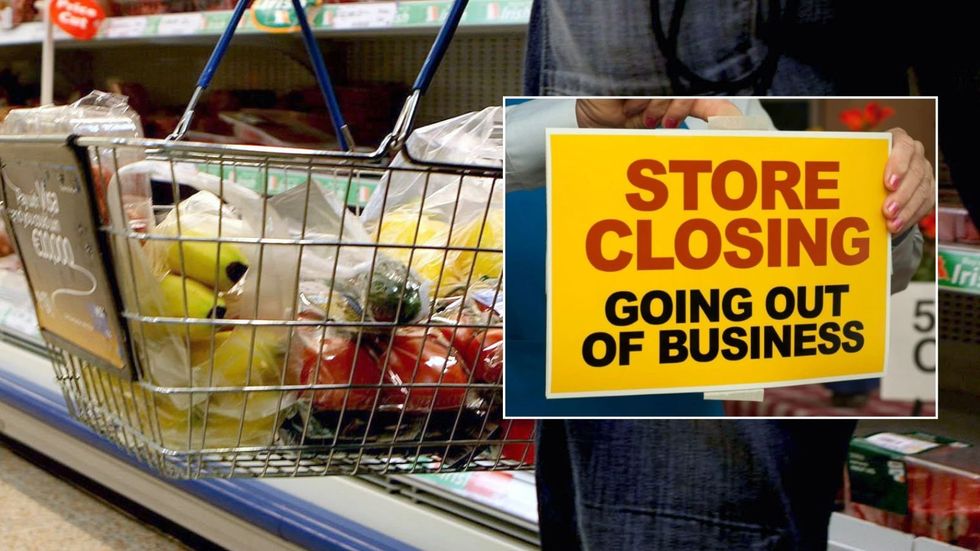
The future of the UK grocery industry following ongoing supermarket chain closure trends is likely to be shaped by innovation and adaptation. Retailers are increasingly investing in digital platforms, automated systems, and smaller convenience-based stores to meet changing consumer expectations. This shift reflects a long-term transformation in how food retail operates across the country.
Despite the challenges linked to supermarket chain closure developments, the sector is not shrinking but evolving. Companies are repositioning themselves to remain competitive in a digital-first economy. Over time, the supermarket chain closure pattern may stabilise as businesses find new ways to balance physical presence with online growth, creating a more flexible retail environment.
Conclusion: What Supermarket Chain Closure Means for Britain
The supermarket chain closure situation represents a significant turning point for the UK retail industry, highlighting both economic pressure and structural change. While concerns remain over store numbers and potential job impacts, the broader picture shows an industry adjusting to modern consumer behaviour rather than collapsing entirely.
As the supermarket chain closure trend continues to develop, it will reshape how communities shop, how businesses operate, and how retail spaces are used across the country. Although uncertainty remains, this period of change also presents opportunities for innovation and improved efficiency within the sector.
Frequently Asked Questions
What is supermarket chain closure?
It refers to the shutdown of supermarket stores due to financial pressure, restructuring, or changing customer demand.
Why is supermarket chain closure happening in the UK?
It is mainly due to rising costs, lower in-store shopping, and the rapid growth of online grocery services.
What does supermarket chain closure today mean?
It refers to the latest ongoing news and updates about supermarkets closing branches across the UK.
How many stores could be affected by supermarket chain closure?
Reports suggest that up to 300 stores could potentially be impacted depending on restructuring decisions.
Is Tesco involved in supermarket chain closure?
Tesco is not facing mass closure but is adjusting its store network through selective closures and upgrades.
Will supermarket chain closure affect jobs?
Yes, some closures may lead to job losses or staff relocation depending on the company’s plans.
Which areas are most affected by supermarket chain closure?
Smaller towns and rural areas are often more affected due to fewer alternative shopping options.
Also Read: royal mail dog safety