
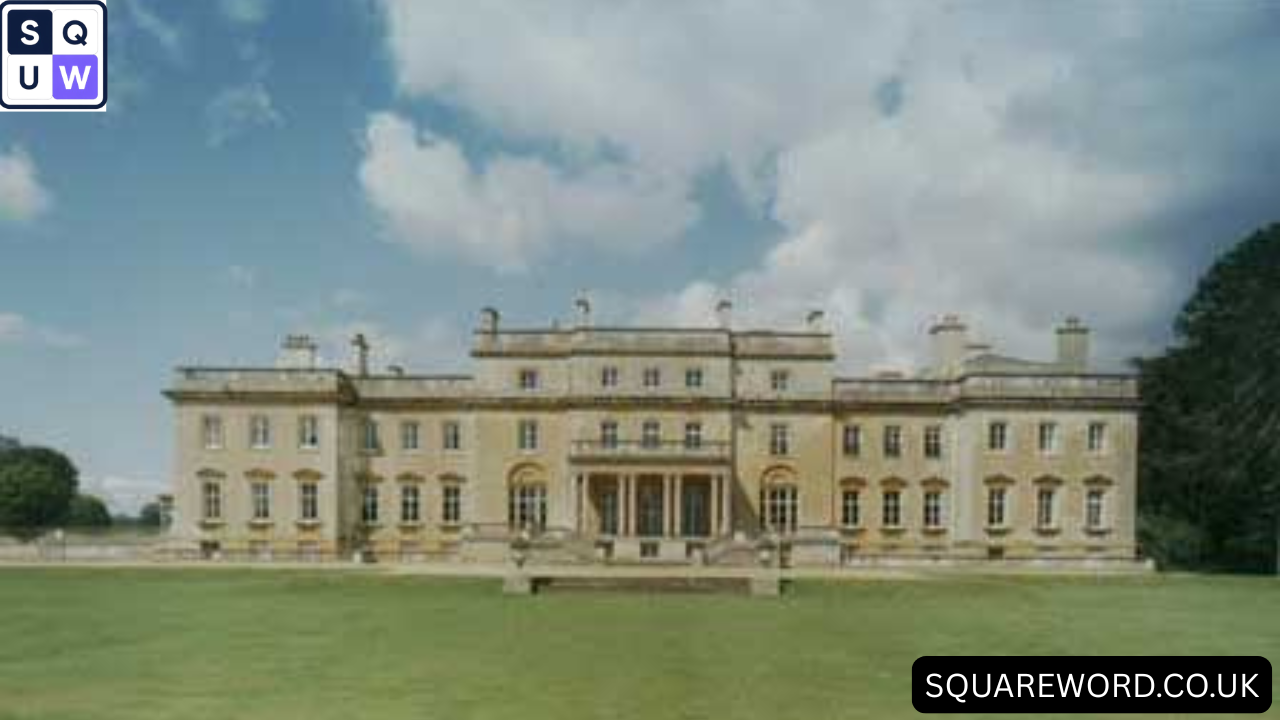
Tottenham House is one of the most significant country estates in Wiltshire, England, admired for its scale, heritage and architectural importance. Tottenham House represents a rare example of a Grade I listed mansion that has evolved through centuries of British history. The estate is closely associated with aristocratic living and continues to attract attention due to its cultural and historical value across the UK.
Tottenham House has become widely recognised not only for its impressive structure but also for its historical depth and modern relevance. Tottenham House stands as a symbol of English country house heritage, combining grandeur with preservation challenges. Its legacy continues to grow as historians and architects study its design, while restoration efforts ensure its survival for future generations.
Location and Setting of Tottenham House
Tottenham House is located in Wiltshire near Marlborough, positioned within the historic Savernake Forest area. The surrounding countryside gives Tottenham House a secluded and picturesque setting that enhances its prestige. The estate benefits from ancient woodland landscapes, which have shaped its identity and made it one of the most visually striking country houses in southern England.
The geographical position of Tottenham House contributes significantly to its charm and historical importance. Tottenham House Wiltshire is often referenced due to its connection with the Savernake Estate, one of the oldest privately owned forests in the country. This unique setting has ensured that Tottenham House remains both private and historically significant within the British landscape.
History and Development of Tottenham House
Tottenham House has a long and layered history that reflects centuries of aristocratic ownership and architectural transformation. The estate has been rebuilt and modified over time, with each era leaving its mark on the structure. Tottenham House has played a role in the social and cultural history of Wiltshire, making it an important heritage landmark.
Throughout its history, Tottenham House has been associated with influential families and shifting ownership patterns. The evolution of Tottenham House mirrors the wider story of British country estates, where wealth, status and heritage shaped architectural ambition. Today, Tottenham House remains a preserved symbol of historical continuity and aristocratic tradition in England.
Architecture and Design of Tottenham House
The architectural design of Tottenham House reflects classical British country house style with strong Regency influences. Tottenham House is known for its balanced proportions, elegant façade and use of traditional building materials. Its structure demonstrates careful planning and craftsmanship, making it one of the most architecturally significant estates in Wiltshire.
Inside Tottenham House, the design is believed to include grand reception rooms, long corridors and detailed decorative elements. Tottenham House interior spaces reflect the luxury and scale expected of a Grade I listed mansion. The architectural identity of Tottenham House continues to attract interest from historians and designers studying traditional English estate construction.
Tottenham House Floor Plan and Estate Features
The floor plan of Tottenham House is notable for its large scale and complex design, reflecting its aristocratic origins. Tottenham House is believed to contain over 100 rooms, including living spaces, service areas and ceremonial halls. This extensive layout highlights the importance of space and hierarchy in traditional country house planning.
Tottenham House stables and surrounding estate buildings form an essential part of its historical structure. These supporting buildings were used for agricultural and domestic purposes, reinforcing the self-sustaining nature of large estates. The overall design of Tottenham House demonstrates how architecture and estate management were closely connected in historic Britain.
Restoration and Renovation of Tottenham House
Tottenham House has undergone significant restoration efforts aimed at preserving its architectural integrity. The Tottenham House renovation process has been carefully managed due to its Grade I listed status, requiring specialist conservation techniques. These efforts ensure that original features are protected while adapting the structure for modern stability requirements.
Tottenham House restoration highlights the complexity of maintaining historic estates in the modern era. Skilled conservation teams have worked to repair structural elements while respecting historical authenticity. The ongoing preservation of Tottenham House ensures that its architectural and cultural value remains intact for future generations to study and appreciate.
Ownership and Modern Interest in Tottenham House
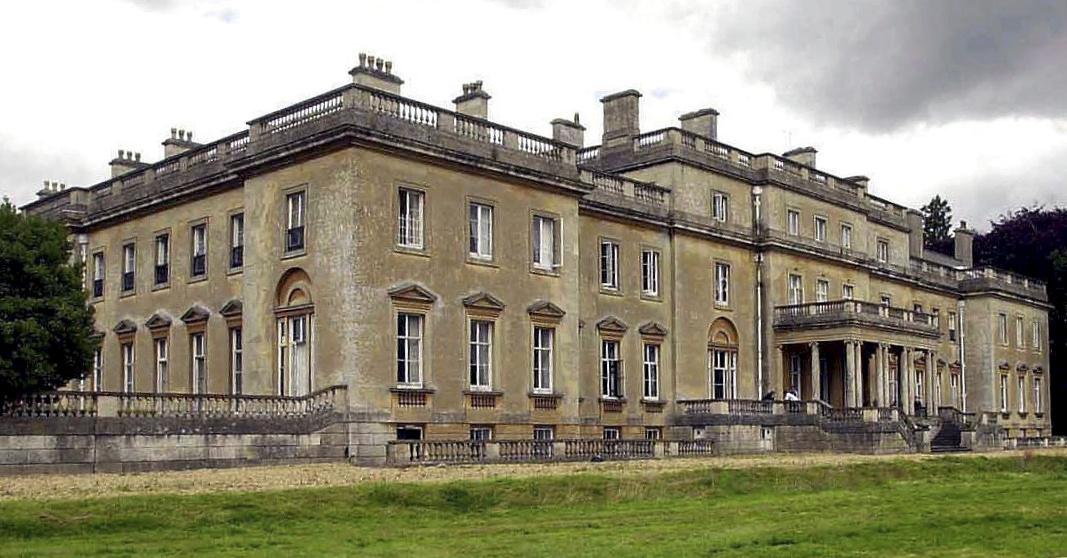
Tottenham House ownership has changed over time, with the estate passing through various private hands and aristocratic families. In modern times, Tottenham House has attracted attention from wealthy investors and heritage property enthusiasts. Discussions around Tottenham House owner history continue to appear in property and heritage records.
There has also been public curiosity surrounding figures associated with the estate, including references such as Chris Rokos Tottenham House and Robert Watts Tottenham House in media discussions. Tottenham House for sale listings occasionally generate interest due to the rarity and scale of such historic estates in the UK property market.
Market Value and Cultural Importance of Tottenham House
Tottenham House prices are not publicly fixed but are generally associated with multi-million-pound valuations due to its size, heritage and land. Estates like Tottenham House are extremely rare, making them highly desirable within the luxury property sector. The combination of history and architecture significantly increases its long-term value.
Beyond financial considerations, Tottenham House holds strong cultural importance as part of Britain’s architectural heritage. Tottenham House represents the evolution of English country estates and continues to inspire architectural study. Its preservation ensures that its historical significance remains relevant in both academic and cultural contexts.
Conclusion: The Legacy of Tottenham House
Tottenham House stands as a powerful example of British heritage, combining history, architecture and restoration into one remarkable estate. The story of Tottenham House reflects centuries of change while maintaining its identity as a Grade I listed mansion. Its presence in Wiltshire continues to symbolise the grandeur of traditional country house living in England.
Today, Tottenham House remains an important landmark that bridges the past and present. Through careful restoration and ongoing preservation, Tottenham House continues to hold cultural and architectural significance. Its legacy ensures that it will remain a key reference point in the study of British country estates for many years to come.
Frequently Asked Questions
What is Tottenham House?
Tottenham House is a Grade I listed historic country mansion located in Wiltshire, England.
Where is Tottenham House located?
It is situated near Marlborough in Wiltshire, within the Savernake Forest area.
Who owns Tottenham House today?
Ownership has changed over time and is typically held by private individuals or investors.
Is Tottenham House open to the public?
No, Tottenham House is generally a private estate and not open for public visits.
What makes Tottenham House important?
Its Grade I listing, architectural design and long aristocratic history make it highly significant.
Has Tottenham House been restored?
Yes, it has undergone restoration work to preserve its historic structure and features.
What is special about Tottenham House architecture?
It features Regency and classical design elements with grand proportions and elegant detailing.
Is Tottenham House for sale?
It has appeared in property interest discussions, but such estates are rarely publicly listed.
Also Read: wakefield prison